

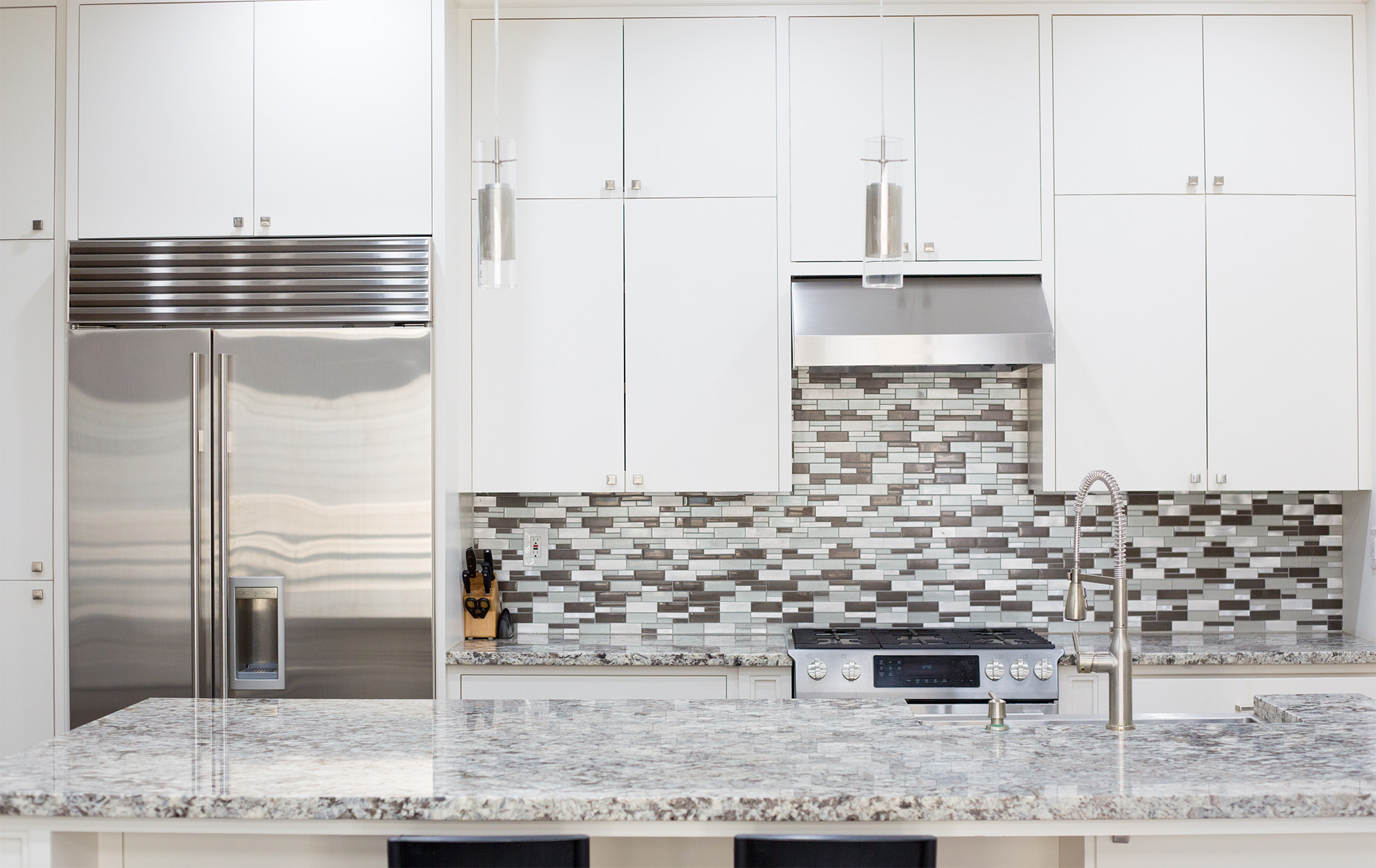
Quartz countertops have earned a reputation for being one of the most durable and low-maintenance surfaces available. They're beautiful, stain-resistant, easy to clean, and available in countless colors and patterns. But one question homeowners often ask before choosing quartz is simple: Are quartz countertops heat-resistant?
The short answer is yes, but with limits. Quartz can handle everyday kitchen use, but it isn't completely heatproof. Understanding how quartz responds to heat can help you protect your investment and enjoy your countertops for years to come.
At Coastline Cabinets and Floors, we help people choose countertops that fit their lifestyle and design goals. Through our in-house design consultants, 3D design services, quality products, and complete remodeling solutions, we make selecting the right countertop simple from start to finish.
Are quartz countertops really heat-resistant?
Yes, quartz countertops are heat-resistant enough for normal daily use. Setting down a warm plate, a coffee mug, or a bowl fresh from the microwave won't typically cause any problems.
However, quartz is not designed to withstand extremely high temperatures. Unlike natural stone, quartz is an engineered surface made from natural quartz combined with polymer resins and pigments. Those resins can become damaged when exposed to excessive heat.
For that reason, manufacturers recommend avoiding direct contact between hot cookware and the countertop.
What happens if quartz gets too hot?
When temperatures become too high, several issues can occur.
Extreme heat may cause:
- Discoloration or yellowing
- Surface scorching
- Resin damage
- Permanent marks
- Small cracks from thermal shock
Thermal shock happens when one section of the countertop heats up much faster than the surrounding material. While uncommon, placing a hot pan directly from the stove or oven onto quartz increases this risk.
The good news is that these situations are almost always preventable with simple kitchen habits.
How hot is too hot for quartz countertops?
Most quartz manufacturers recommend avoiding temperatures above approximately 300°F.
Many pots and pans removed directly from the oven can easily exceed 400°F, while cookware from a stovetop may become even hotter.
Items that should never be placed directly on quartz include:
- Hot skillets
- Dutch ovens
- Baking sheets
- Slow cooker inserts
- Air fryer baskets
- Pizza stones
- Roasting pans
Using trivets, hot pads, or cooling racks creates a protective barrier and helps prevent unnecessary damage.
Is quartz more heat-resistant than other countertops?
Quartz performs well against everyday heat, but every countertop material has strengths and weaknesses.
Granite generally tolerates higher temperatures because it's entirely natural stone.
Marble also handles heat well, but is softer and more susceptible to scratching and staining.
Laminate can be damaged by much lower temperatures than quartz.
Solid surface countertops may scorch more easily than quartz.
Quartz strikes an excellent balance by combining durability, easy maintenance, stain resistance, and attractive designs with good, but not unlimited, heat resistance.
For many homeowners, that balance makes quartz one of the smartest choices available.
How can you protect quartz countertops from heat?
Protecting quartz doesn't require extra work. A few simple habits go a long way.
Always use trivets beneath hot cookware.
Place hot baking dishes on cooling racks instead of directly on the countertop. Allow cookware to cool slightly before setting it down.
Avoid placing portable appliances that generate significant heat in one spot for long periods without protection.
Use cutting boards instead of preparing food directly on the surface. While this protects your knives more than the quartz, it also helps prevent accidental damage.
These easy practices help keep your countertops looking like new for many years.
Does heat affect the appearance of quartz countertops?
Most homeowners never experience heat damage because they follow basic care guidelines.
When damage does occur, it's usually cosmetic rather than structural. High temperatures may leave dark marks, dull spots, or slight discoloration that can be difficult (or impossible) to repair.
Unlike natural stone, damaged resin cannot simply be resealed.
That's why prevention is far easier and less expensive than attempting repairs later.
Why homeowners continue choosing quartz countertops
Heat resistance is only one part of the equation. Quartz continues to be one of today's most popular countertop materials because it offers numerous everyday advantages.
Homeowners appreciate quartz because it provides:
- Excellent stain resistance
- Non-porous construction that doesn't require sealing
- Easy cleaning with soap and water
- Outstanding durability
- Consistent colors and patterns
- Modern and traditional design options
- Long-lasting beauty
- Low maintenance requirements
For busy families, these benefits often outweigh the need to use a trivet under hot cookware.
Frequently asked questions
Can I put a hot pan directly on quartz countertops?
No. Always use a trivet or hot pad to protect the surface from excessive heat.
Will quartz crack from heat?
It can if exposed to sudden, extreme temperature changes. While uncommon, thermal shock may cause cracking under certain conditions.
Do quartz countertops require sealing?
No. Quartz is non-porous and never needs sealing like many natural stone surfaces.
Is quartz a good choice for busy kitchens?
Absolutely. Quartz combines durability, stain resistance, low maintenance, and beautiful designs, making it ideal for active households.
Contact us for quartz countertops in North Myrtle Beach, SC
Quartz countertops deliver the perfect combination of beauty, durability, and everyday performance. While they're heat-resistant enough for normal kitchen use, protecting them from extremely hot cookware helps preserve their appearance for decades.
Our showroom in North Myrtle Beach, SC, serves North Myrtle Beach, SC, Myrtle Beach, SC, Conway, SC, Longs, SC, Little River, SC, and Brunswick County, NC. Get in touch with Coastline Cabinets and Floors today!